William Helenbrook, PhD
Research Director
Tropical Conservation Fund
Adjunct Assistant Professor
State University of New York College of Environmental Science and Forestry (SUNY-ESF)
As the Research Director for the Tropical Conservation Fund (TCF) and Adjunct Assistant Professor at SUNY College of Environmental Science and Forestry, I am passionate about advancing the field of conservation biology and making a positive impact on tropical ecosystems. Collaborating with Peruvian and Brazilian NGOs, I have been actively involved in research encompassing applied conservation biology, phylogenetics, conservation genomics, taxonomy, and disease ecology.
In addition to my research pursuits, I actively contribute to projects aimed at engaging local communities and forging partnerships to safeguard tropical forests. Through integrative approaches such as environmental education, the creation of biodiversity offsets, community planning, and applied research, I strive to protect these invaluable ecosystems.
My present research focus is largely non-invasive, conservation-based research with night monkeys across Peru, Brazil, Bolivia, and Colombia. By employing cutting-edge methodologies and techniques, I am dedicated to understanding the intricacies of these elusive creatures and devising effective strategies for their protection and nature as a whole.
I am driven by the idea that research, community engagement, and strategic conservation endeavors can create a sustainable future for tropical ecosystems. If you share my passion for conservation and are interested in collaborating on projects or discussing potential opportunities, I would be delighted to connect with you.
Research interests include: Conservation biology, primatology, genomics, phylogeography, and taxonomy. More details here, and at ResearchGate.
Currently, I'm developing and conducting several avenues of research related to wildlife conservation:
For further information about conservation-based research and environmental education, please visit The Tropical Conservation Fund.
Research Director
Tropical Conservation Fund
Adjunct Assistant Professor
State University of New York College of Environmental Science and Forestry (SUNY-ESF)
As the Research Director for the Tropical Conservation Fund (TCF) and Adjunct Assistant Professor at SUNY College of Environmental Science and Forestry, I am passionate about advancing the field of conservation biology and making a positive impact on tropical ecosystems. Collaborating with Peruvian and Brazilian NGOs, I have been actively involved in research encompassing applied conservation biology, phylogenetics, conservation genomics, taxonomy, and disease ecology.
In addition to my research pursuits, I actively contribute to projects aimed at engaging local communities and forging partnerships to safeguard tropical forests. Through integrative approaches such as environmental education, the creation of biodiversity offsets, community planning, and applied research, I strive to protect these invaluable ecosystems.
My present research focus is largely non-invasive, conservation-based research with night monkeys across Peru, Brazil, Bolivia, and Colombia. By employing cutting-edge methodologies and techniques, I am dedicated to understanding the intricacies of these elusive creatures and devising effective strategies for their protection and nature as a whole.
I am driven by the idea that research, community engagement, and strategic conservation endeavors can create a sustainable future for tropical ecosystems. If you share my passion for conservation and are interested in collaborating on projects or discussing potential opportunities, I would be delighted to connect with you.
Research interests include: Conservation biology, primatology, genomics, phylogeography, and taxonomy. More details here, and at ResearchGate.
Currently, I'm developing and conducting several avenues of research related to wildlife conservation:
- Intestinal parasitology of Neotropical primates
- Primate metagenomics, phylogenomics and taxonomy
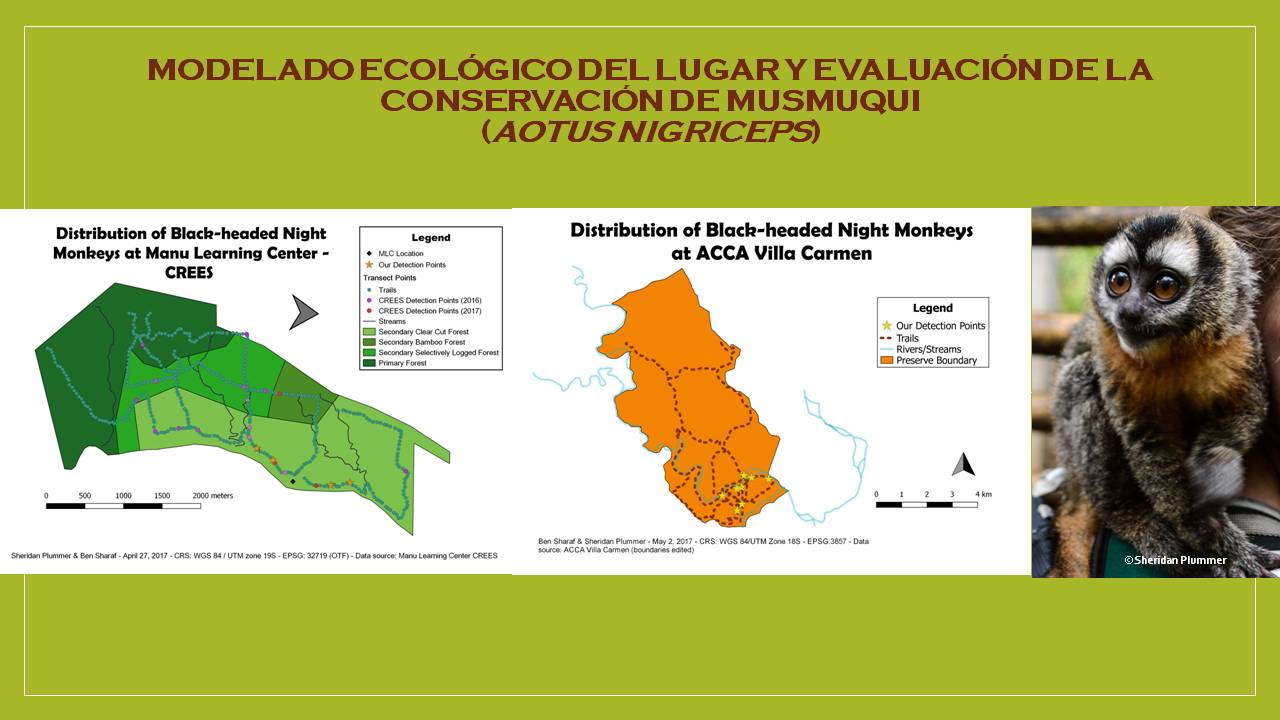
- Ecological niche modelling, population viability analysis, and conservation planning
For further information about conservation-based research and environmental education, please visit The Tropical Conservation Fund.
 Peru is home to vast stretches of pristine forests, including parts of the Amazon rainforest, harboring unique biodiversity and providing critical ecosystem services. However, unsustainable logging practices and widespread deforestation have threatened these valuable ecosystems.
Logging activities, both legal and illegal, have resulted in the loss of valuable timber resources. The extraction of trees for commercial purposes, such as timber and wood products, has led to habitat destruction, soil erosion, and disturbance to indigenous communities that rely on the forests for their livelihoods. Illegal logging, in particular, poses a significant challenge, contributing to environmental degradation and fueling criminal activities.
Photo credit: Jessica A. Suarez
Peru is home to vast stretches of pristine forests, including parts of the Amazon rainforest, harboring unique biodiversity and providing critical ecosystem services. However, unsustainable logging practices and widespread deforestation have threatened these valuable ecosystems.
Logging activities, both legal and illegal, have resulted in the loss of valuable timber resources. The extraction of trees for commercial purposes, such as timber and wood products, has led to habitat destruction, soil erosion, and disturbance to indigenous communities that rely on the forests for their livelihoods. Illegal logging, in particular, poses a significant challenge, contributing to environmental degradation and fueling criminal activities.
Photo credit: Jessica A. Suarez
|
|
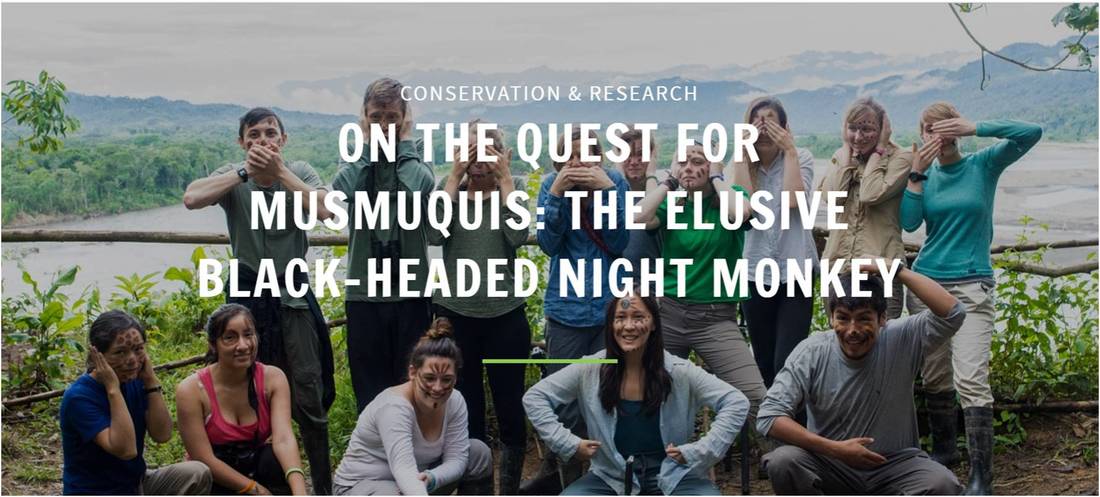
Helenbrook research lab: what it takes to study night monkeys in the jungle.
